

💡 SPOTLIGHT
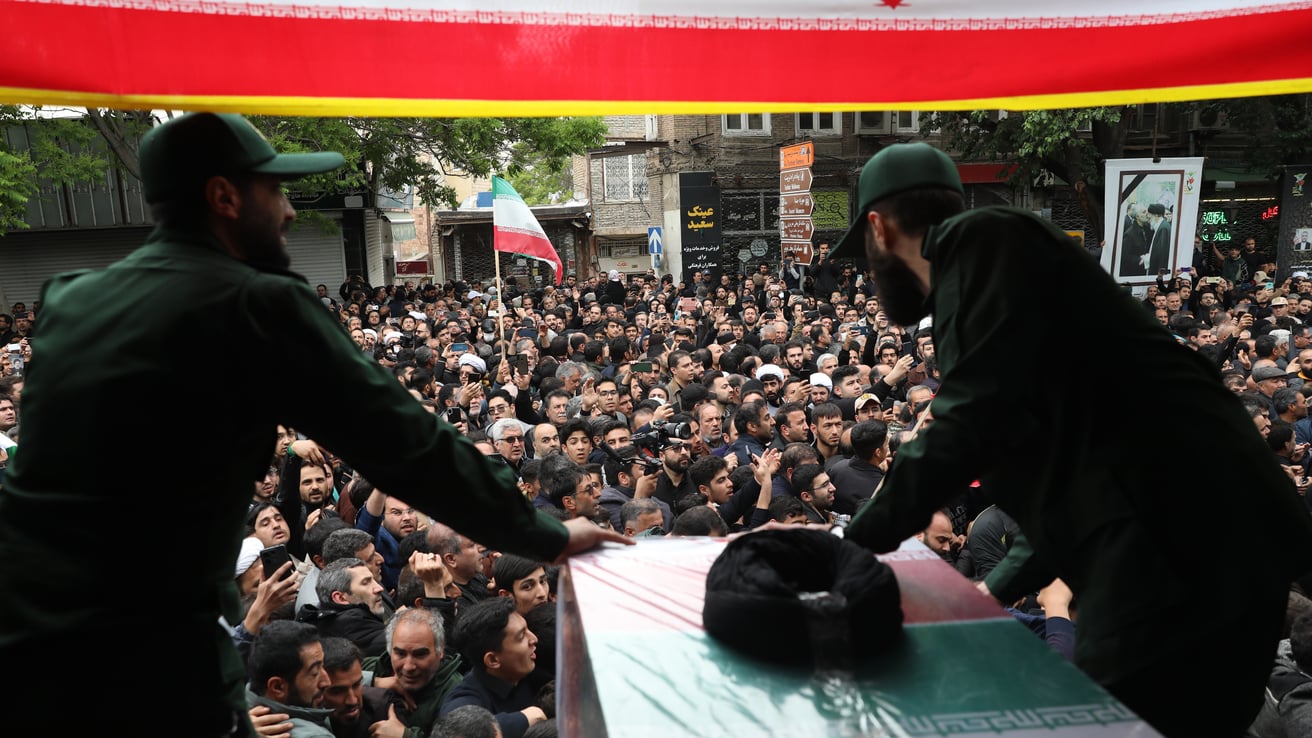
Stolen land, stolen life: When an Israeli soldier takes a Gazan baby Our next geopolitical crisis will come from Africa — in the Sahel
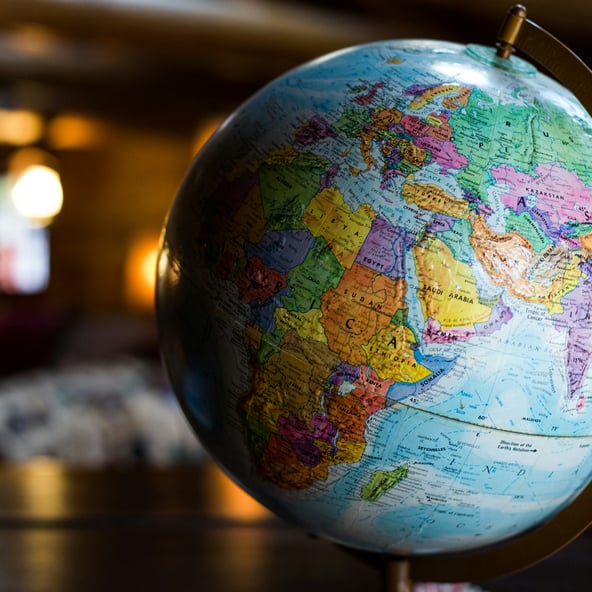
The next major geopolitical conflict is brewing in the Sahel region, in the north-central stretch of Africa south of the Sahara. Islamists and armed militias are plunging the entire region into chaos, and it is even possible a new jihadist emirate may emerge, writes Asiem Diafroui in German daily Die Welt. Experts are already predicting there will be thousands of new refugees. Their destination: Europe.
The Israel-Hamas war, Russia’s invasion of Ukraine and the tensions between the U.S. and China have obscured another trouble spot from making bigger headlines: the Sahel. But the next geopolitical crisis is brewing there right now.
The term “Sahel” refers largely to the former French colonies of Mali, Niger and Burkina Faso, as well as parts of Cameroon, Senegal and Chad. It is a region in north-central Africa which jihadist terror is spreading, predominantly in three countries, where military juntas have come to power in the past two years.
In Niger, more than 200 people have been killed in jihadist terror attacks since the military seized power at the end of July. In Burkina Faso around 4,000 people have been killed since the coup in September 2021. Approximately 5,000 people have died in Mali since May 2021. Over the past decade, tens of thousands of people have been killed in these three countries. Hundreds of thousands have been forced to flee. And the situation is only getting worse.
This is in large part because neither the United Nations nor Europe – led by the former colonial power of France – has significant political influence or a military presence. The French were celebrated in 2013 after they liberated, as part of Operation Serval, the iconic city of Timbuktu from al-Qaeda in the Islamic Maghreb (AQIM) and associated militias. Now they are no longer welcome.
The ensuing large-scale Operation Barkhane (2014-2022) failed for a number of reasons: a lack of clear aims or significant help in building civil society as a basis for stability, and the neo-colonial attitudes of the French generals and government. In 2020, when Mali’s then President Ibrahim Boubacar Keïta announced that he would negotiate with AQMI’s leaders to find a political solution through a national dialogue, France blocked the move, in what Sahel expert Wassim Nasr described as a “flagrant breach of Mali’s sovereignty”.
France’s attempts to impose security infrastructure on the region, such as the G5 Sahel, a coalition among Burkina Faso, Mali, Mauritania, Niger and Chad, have also failed. Burkina Faso, Mali and Niger left the organization. MINUSMA, one of the largest UN peacekeeping missions, with more than 11,000 soldiers from 61 countries, including Germany, was expelled from the country in 2022 after it accused the Malian army of human rights abuses.
The last German soldiers withdrew in December. ECOWAS (Economic Community of West African States), the most important regional organization, made up of 15 West African states, is also powerless. Although Burkina Faso, Mali and Niger were suspended and sanctioned after the military coups, the juntas remained unmoved. Instead, they founded their own organization, the Alliance of Sahel States (ASS).
Another world power has stepped into the void left by the French, the EU and the African states: Russia. Last month, Niger’s Defense Minister visited Moscow and announced an expansion of military cooperation between the two countries. Russian soldiers are believed to have already arrived in Burkina Faso. [...]
— Read the full article by Asiem Diafroui for Die Welt, translated into English by Worldcrunch.
🌎 7 THINGS TO KNOW RIGHT NOW
• Netanyahu rejects Hamas truce offer: Israel's Prime Minister Benjamin Netanyahu has rejected Hamas's proposed ceasefire terms, saying that “there is no other solution but a complete and final victory” in Gaza. Hamas had laid out a series of demands in response to an Israel-backed ceasefire proposal. Netanyahu dismissed negotiations with the group as “not going anywhere” and described their terms as “bizarre.”
• U.S. assassinates Kataib Hezbollah commander in Baghdad: A commander from Kataib Hezbollah, an Iran-backed armed group in Iraq that the Pentagon has blamed for attacking its troops, was killed in a U.S. strike. The leader and two of his guards were in a vehicle when it was targeted in the east of the Iraqi capital. The U.S. has linked the militia to a drone attack in Jordan that killed three U.S. troops last month. For more, here’s a Die Welt article, translated from German by Worldcrunch: What The U.S. Got Wrong In The Middle East — With Obama, Trump And Biden All To Blame
• First year-long breach of key 1.5 °C warming limit, warmest January on record: For the first time, global warming has exceeded 1.5 °C across an entire year, according to the European Union's climate service. This first year-long breach doesn't break the threshold defined by the Paris Agreement, but it does bring the world closer to doing so in the long-term. Meanwhile the world just experienced its hottest January on record, continuing a run of exceptional heat fuelled by climate change. Stay up-to-date with our coverage of global warming here.
• Pakistan takes measures to secure voting: At least five people were killed in militant attacks as Pakistan held a general election Thursday after temporarily suspending mobile phone services across the country and closing some land borders to maintain law and order. These steps were taken by the interior ministry after at least 26 people were killed in two explosions near electoral candidates' offices in the southwestern province of Balochistan on Wednesday, which the Islamic State later claimed responsibility for.
• North Korea ends all economic cooperation with South Korea: North Korea’s parliament has voted to abolish all economic cooperation agreements with South Korea as ties between the two neighbors continue to deteriorate. The latest decision comes after Pyongyang last month declared Seoul its main enemy, discarding agencies dedicated to reunification, and threatened to occupy the South during war.
• Ecuador becomes second Latin American nation to decriminalize euthanasia: Ecuador has become the second country in Latin America after Colombia to decriminalize euthanasia. Its constitutional court voted seven to two in favor of allowing doctors to help a patient die. The court said the crime of homicide would no longer apply to those working to preserve the right to a dignified life. Read more about euthanasia’s slow progress around the world in this international roundup.
• World’s sexiest accent is French no more: Désolé, French is no longer the world’s sexiest accent, according to the language learning platform Babbel. Some 6,000 people from the UK, France, Spain, Italy, Germany and the U.S. were asked to rate which language speakers are perceived as “most sexy” — and the winner is Italian.Yessa!! Meanwhile, British English was found to be the “most polite,” while German won the top spot for “most direct.”
🗞️ FRONT PAGE

Brasilia-based daily Correio Braziliense dedicates its front page to the Government of the Federal District’s (GDF) promise to implement mass vaccination measures to fight mosquito-borne infection dengue fever starting tomorrow. Brazil is grappling with a severe dengue fever upswing during the hot rainy season prolonged by the El Niño climate phenomenon, prompting a state of emergency in three states, with more than 364,850 cases reported in 2024 in the country.
📰 STORY OF THE DAY
Taranto: between jobs and environment, north and south, past and future
The industrial port in the southern Italian region of Puglia is also home to the massive Ilva steel plant, which has risked closure in part because of its damage to the environment and public health. But Taranto lives up to its nickname of the city of contradictions.
🏭 Taranto is sick. This city of 190,000 in Italy's southern Puglia region is sick from a virtually permanent state of economic crisis and runaway unemployment; it's sick from the polluted sea and unhealthy air; and it's sick of being ostracized for one particular resident of the city: the massive, aging Ilva steel plant. At the beginning of January the government was supposed to find an agreement together with the ArcelorMittal multinational steel manufacturer and former owner of the plant. But that hasn't come through. The huge debt that must somehow be recovered continues to hang over the head of every single Ilva worker.
🇮🇹 Taranto was chosen because of its large industrial port on the Ionian sea capable of accommodating large tankers to transport materials and shipping products. Yet to open such a big company in southern Italy was at least as much a political as a business decision. The gap between north and south has always been part of the Italian story, though it has shifted decidedly in the past century from more cultural features to more important economic problems.
🌱 Ilva was conceived of a way to help the south overcome poverty while contributing to Italy's economic ambitions. Steel is a foundational sector that reflects the “health” of the economy because it flows directly into the electrical appliance, construction supplies, shipbuilding and other sectors. Stopping it, or even pausing it, means curbing economic growth. Yet it is the impact on the environment and public health that has become the way most Italians think about Ilva. The damage to the soil and the air that the inhabitants breathe is undeniable, even if many locals still also look to the steel plant as the only real source of both work and hope.
➡️ Read more on Worldcrunch.com
📹 THIS HAPPENED VIDEO — TODAY IN HISTORY, IN ONE ICONIC PHOTO

➡️ Watch the video: THIS HAPPENED
#️⃣ BY THE NUMBERS
17.15 million
Dubai hosted a record number of international tourists in 2023, welcoming 17.15 million visitors and surpassing the previous record of 16.73 million in 2019. The tourism sector's success aligned with Dubai's overall GDP growth of 3.3% in the first nine months of 2023. According to the UN World Tourism Organisation, international tourism globally reached 88% of pre-pandemic levels by the end of 2023, with the Middle East surpassing pre-pandemic levels by 22%.
📣 VERBATIM
“Our world is entering an age of chaos.”
— United Nations Secretary General Antonio Gueterres has warned that the world is on the verge of “a dangerous and unpredictable free-for-all with total impunity,” caused by divisions within the UN Security Council on Israel’s war on Gaza. Gueterres’ “age of chaos” concerns are led by Israel’s intention to focus on its assault on Rafah, calling instead for an immediate humanitarian ceasefire and the unconditional release of hostages.
📸 PHOTO DU JOUR
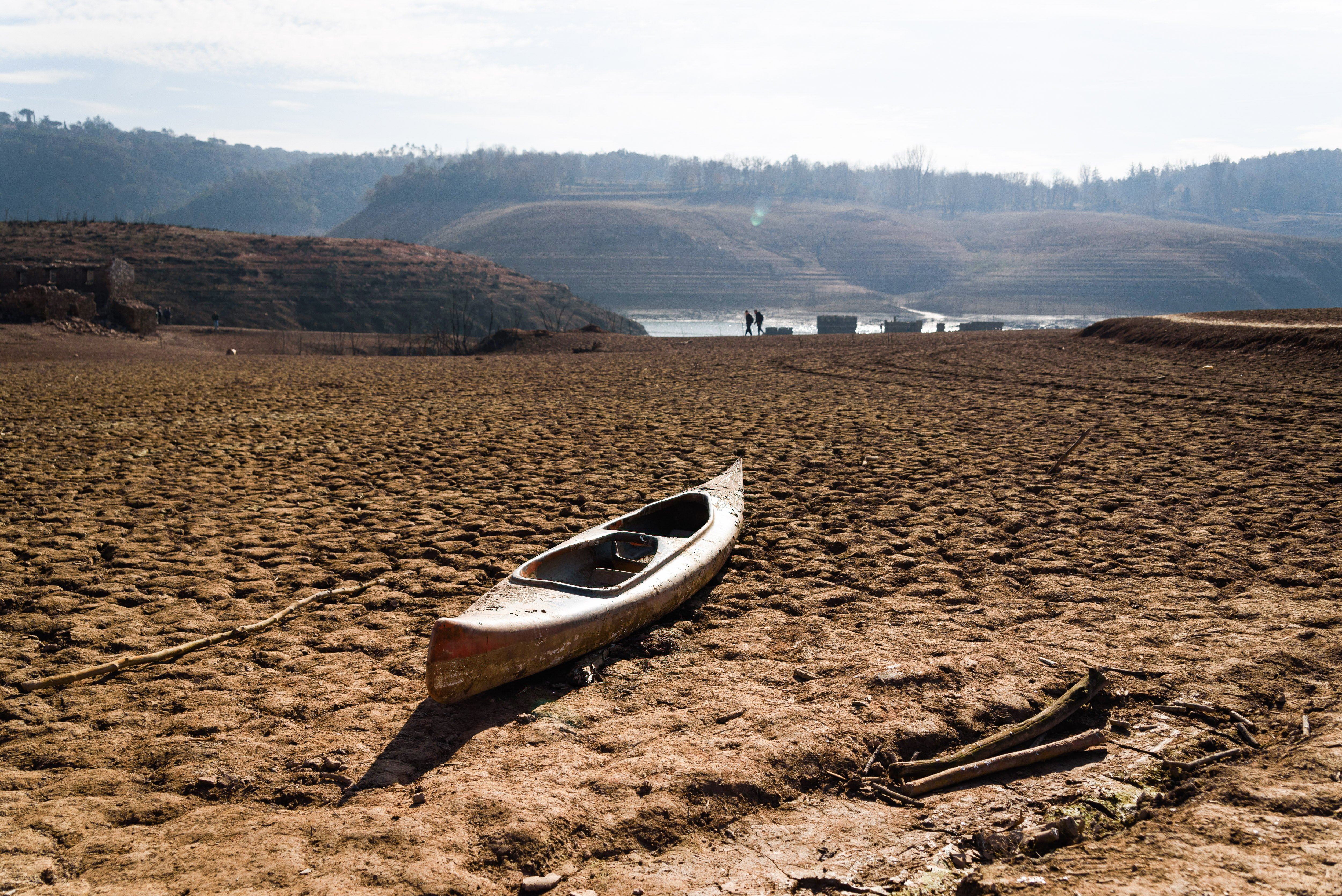
Scenes of drought at the Sau water reservoir in Spain’s Catalonia region, as authorities declared a state of emergency after the region's water reservoirs levels fell below 16% of the total capacity. Climate change is said to be one of the main causes of the drought in the country and across the Mediterranean basin. For the first time, global warming has exceeded 1.5 °C across an entire year, according to the European Union's climate service. — Photo: Davide Bonaldo/SOPA Images/ZUMA
👉 MORE FROM WORLDCRUNCH
• Here's How Gaza Food Shortages Are Now Turning Into Outright Famine — DARAJ
• Will Biden v. Trump Be All About Ukraine? It's Already Begun — FRANCE INTER
• A Social Justice Icon In Life, Is Bob Marley A Sellout In Death?— THE CONVERSATION
✅ SIGN UP
Check out and subscribe to Worldcrunch’s other newsletters: 👉Sign up here
✍️ Newsletter by Emma Albright and Cory Agathe
...